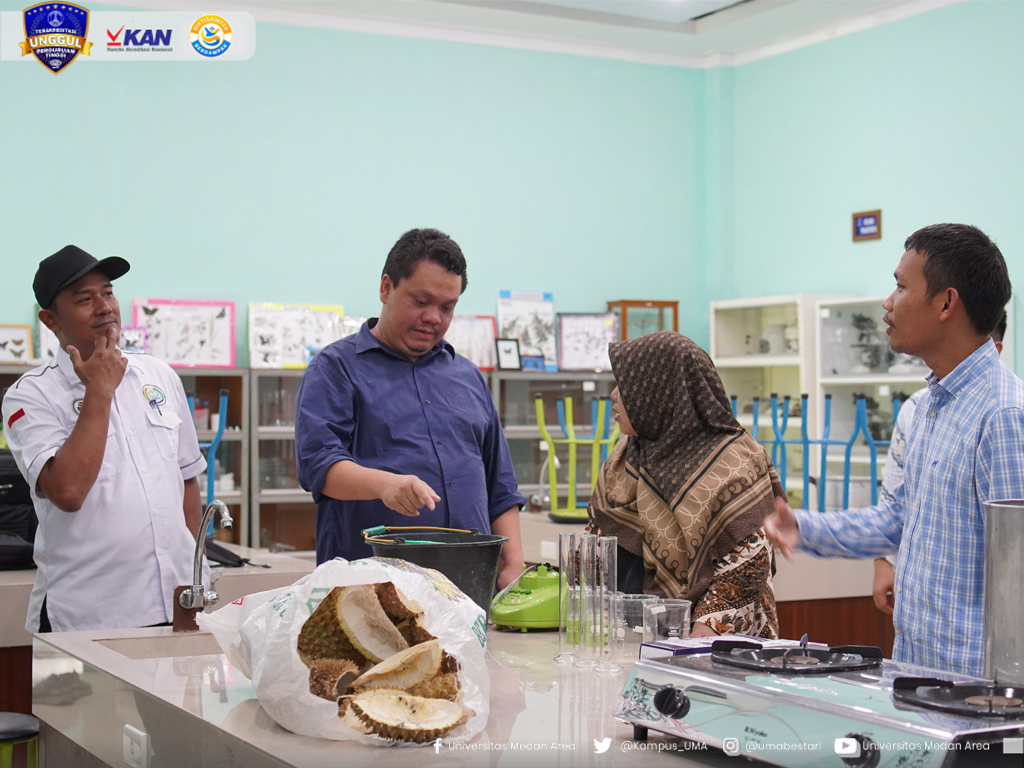
Medan Area University (UMA) has established a strategic collaboration with PT Pertamina Patra Niaga Fuel Terminal Maros for a benchmarking program on durian peel waste management, demonstrating its support for sustainable programs and the implementation of environmentally friendly technologies. This initiative represents a concrete step in synergy between higher education and industry in creating innovative, community-based solutions to environmental issues.
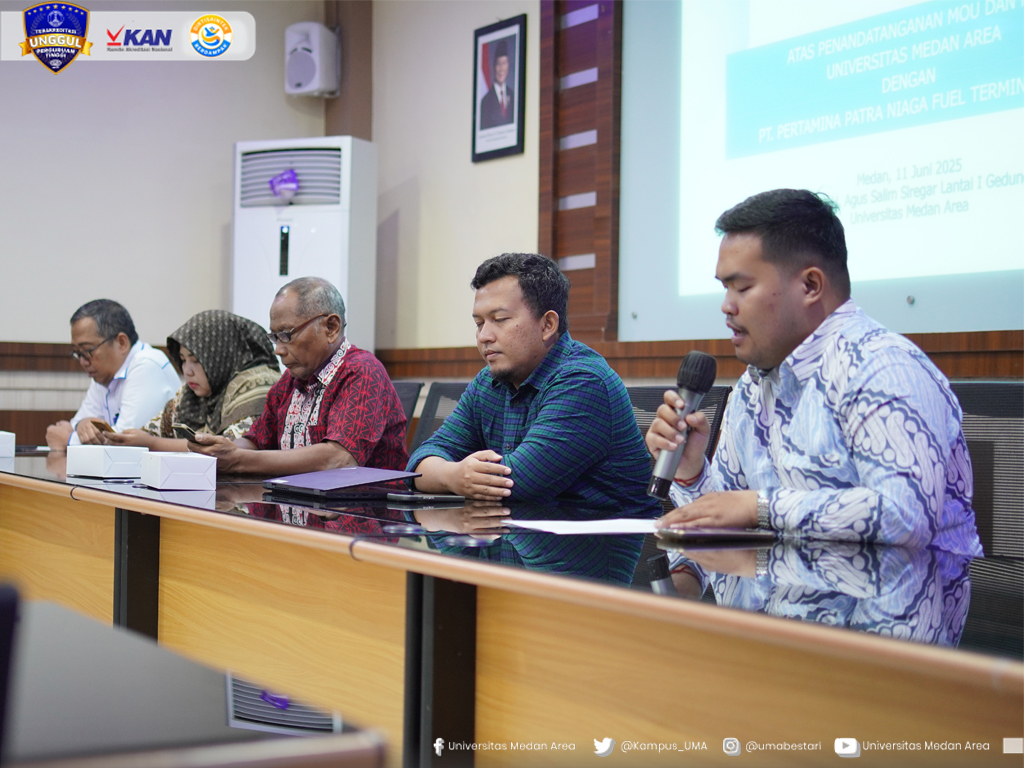
The event, which took place with great enthusiasm, was attended by the ranks of the UMA academic community, including the Head of the UMA Green Campus Center, Mr. Saipuh Sihotang; Head of the UMA Green Metric Division, Dr. Nisfa Hanim, S.Si., M.Si.; and expert speakers, namely Dr. Effiati Juliana Hasibuan, M.Si; Bobby Umroh, ST, MT; and Dr. Ahmad Prayudi, SE, MM. Also present was the Head of the UMA Information, Promotion, and Partnership Bureau, Mr. Dian Fajar Prayoga, S.Kom.
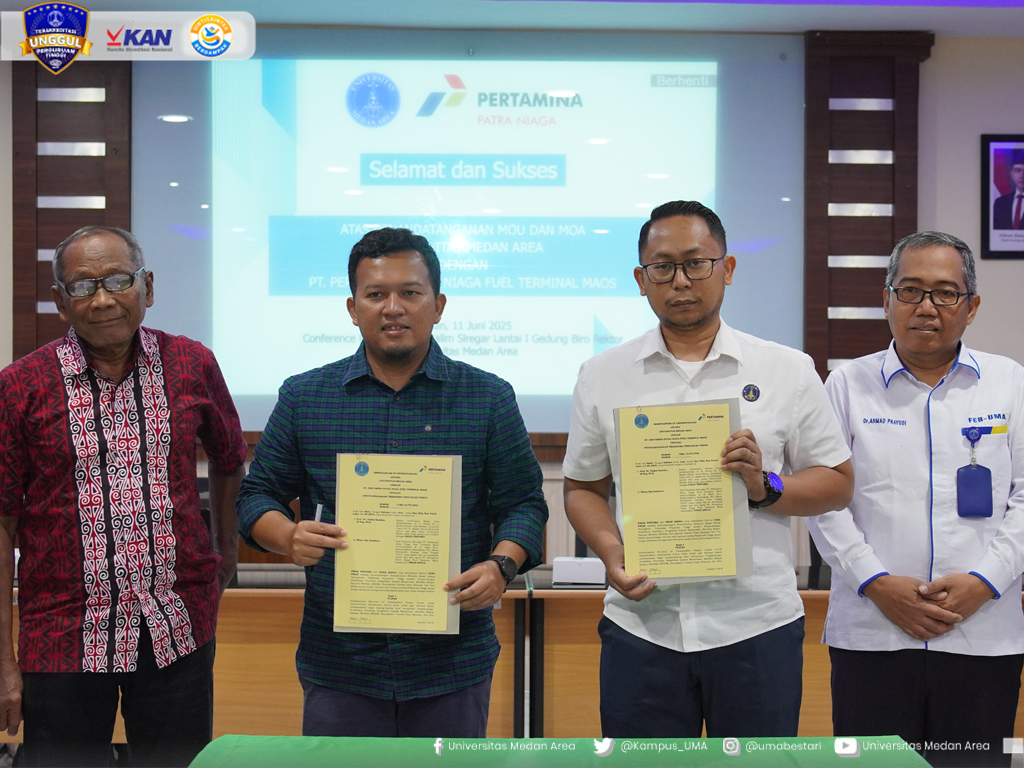
Meanwhile, from PT Pertamina Patra Niaga Fuel Terminal Maros, Yunianto Arif Suryawan, HSSE & Fleet Safety Supervisor; Agil Bagus, HSSE Junior Supervisor; and two Community Development Officers, Zukhruf Arifin and Muhson Arifin, were present. The Head of Alasmalang Village, Mr. Katam, also took part and provided support for the initiative to utilize local waste potential in his area.
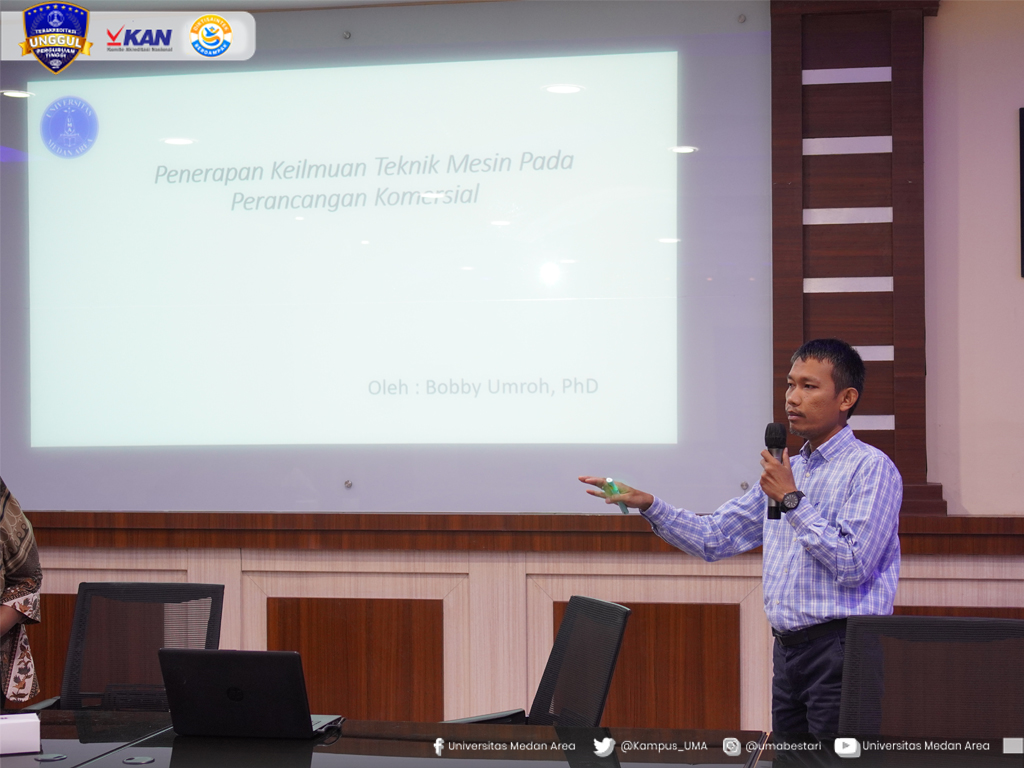
In this activity, participants learned how to utilize durian peel waste and other natural materials to create valuable and environmentally friendly products. In addition to reducing environmental pollution, this initiative also opens up new economic opportunities through the development of innovative products based on organic waste.
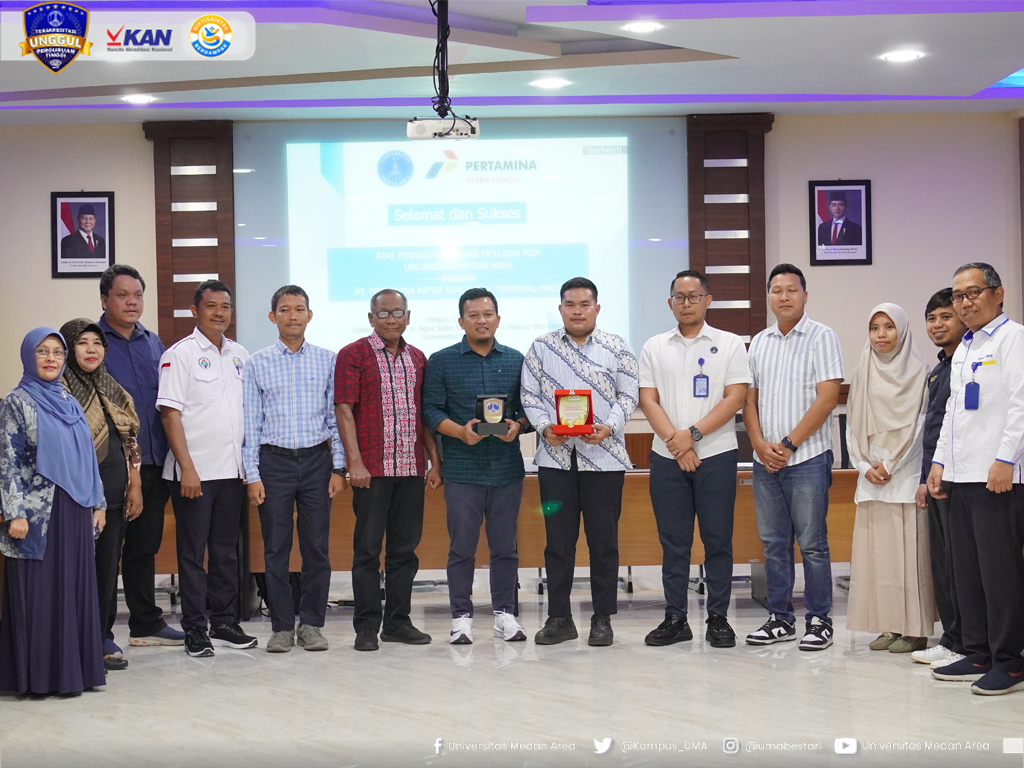
The interactive discussion emphasized the importance of collaboration between education, the industrial sector, and village governments to create an integrated, efficient, and locally-based waste management ecosystem.
By implementing this benchmarking activity, it is hoped that collective awareness and a sustainable commitment to developing environmental innovations that not only have an ecological impact but also provide social and economic benefits to the community will be built.