The Community Service Team (PKM) from Universitas Medan Area (UMA) and Universitas Sari Mutiara (USM) Indonesia conducted activities in Regaji Village, Merek District.
This community service, held on September 5, 2023, aimed to empower farming groups in self-medication with beets and to utilize beet potential (by producing beet powder and beet biscuits) as a local food source.
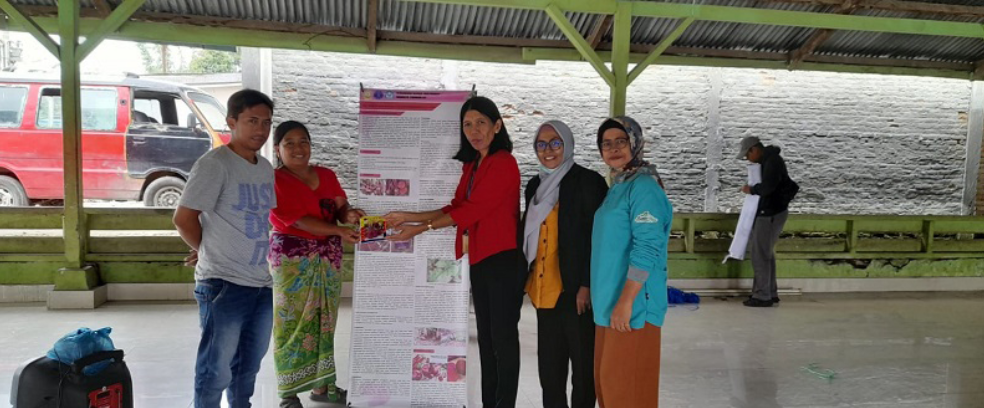
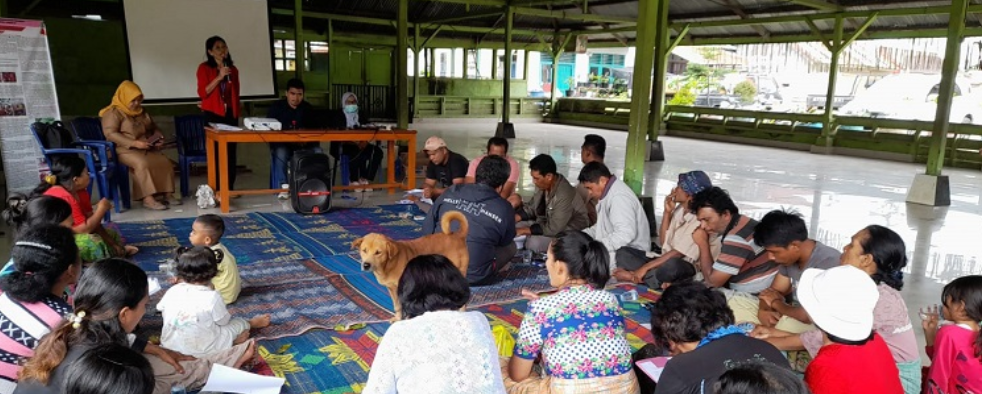
The agenda included health education on the benefits of beetroot for health and beet cultivation by the PKM team. Beet seedlings were distributed to farming group members, followed by a demonstration and planting of beets on one of the group member’s land as a model, alongside resource persons and the PKM team.
The service team consisted of Evarina Sembiring, SST, MKes, and Ns. Amila, MKep, SpKMB (lecturers from USM Indonesia), Dr. Suswati, MP (lecturer from UMA), as well as students Della Kuswinda and Ayuandira from USM Indonesia.
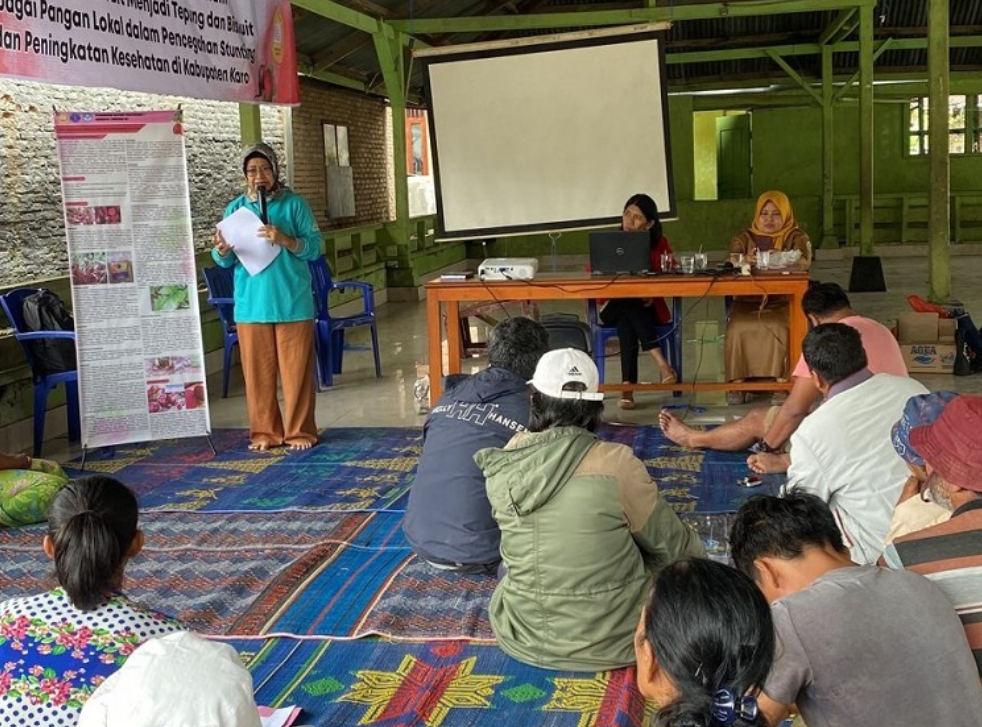
Present at the event were Village Head Pranata Sembiring, SPd, resource person Tuti Sudarniati Genaly, SP (Head of Technical Services Section at BIH Kutagadung Berastagi), the midwife of Regaji Village, the head of Sada Nioga Farmers Group, the head of Bunga Tani Group, and members of the farming groups.
“In the community service program, it was explained that beetroot belongs to the Amaranthaceae Chenopodiaceae family, meaning that beets are related to radishes and other root vegetables,” stated Evarina Sembiring, SST, MKes, to Sumut Pos in Medan on Thursday (14/9).
Beetroot, a type of tuber cultivated in Regaji Village, is a local plant in Karo Regency. However, beets are only grown as a secondary crop and sold fresh in traditional markets due to a lack of knowledge regarding beet processing.
Evarina Sembiring, SST, MKes, mentioned that beets are currently limited to being processed into juice, syrup, or boiled, but they are less popular among the community due to their bitter, earthy taste and slight mustiness (Amila et al., 2021).
She added that beets have long been used as a natural remedy, yet many people are still unaware of their health benefits. Consuming nutrient-rich beets is highly beneficial for health, as they contain a variety of nutrients, including carbohydrates, protein, fiber, vitamins, and minerals such as vitamin C, folate, potassium, magnesium, sodium, and iron.
Thanks to their diverse nutritional content, continued Evarina Sembiring, SST, MKes, beets offer various health benefits, such as lowering blood pressure, controlling blood sugar levels, treating anemia, and boosting physical stamina.
Other benefits of beets include preventing premature aging, treating inflammation, maintaining brain health, promoting digestive health, reducing cancer risk, preventing heart disease, improving liver health, enhancing skin health, being beneficial during pregnancy, increasing antioxidant levels, preventing cataracts, and helping to prevent osteoporosis.
With the numerous advantages of beets, Evarina Sembiring, SST, MKes, expressed that this fruit has significant potential for cultivation.
During this occasion, Dr. Suswati, MP, presented the cultivation methods for beets, emphasizing that attention must start from preparing the growing media, seedling production, planting, tree maintenance, fertilization, and harvesting.
After hearing the information presented by the PKM team, the community became aware of the health benefits of beets. They also expressed interest in consuming and cultivating beets, as evidenced by their requests for seedlings provided by the PKM team.